in◎▶fX↗
Blogs
Practical insights and real stories to guide your product from vision to reality.
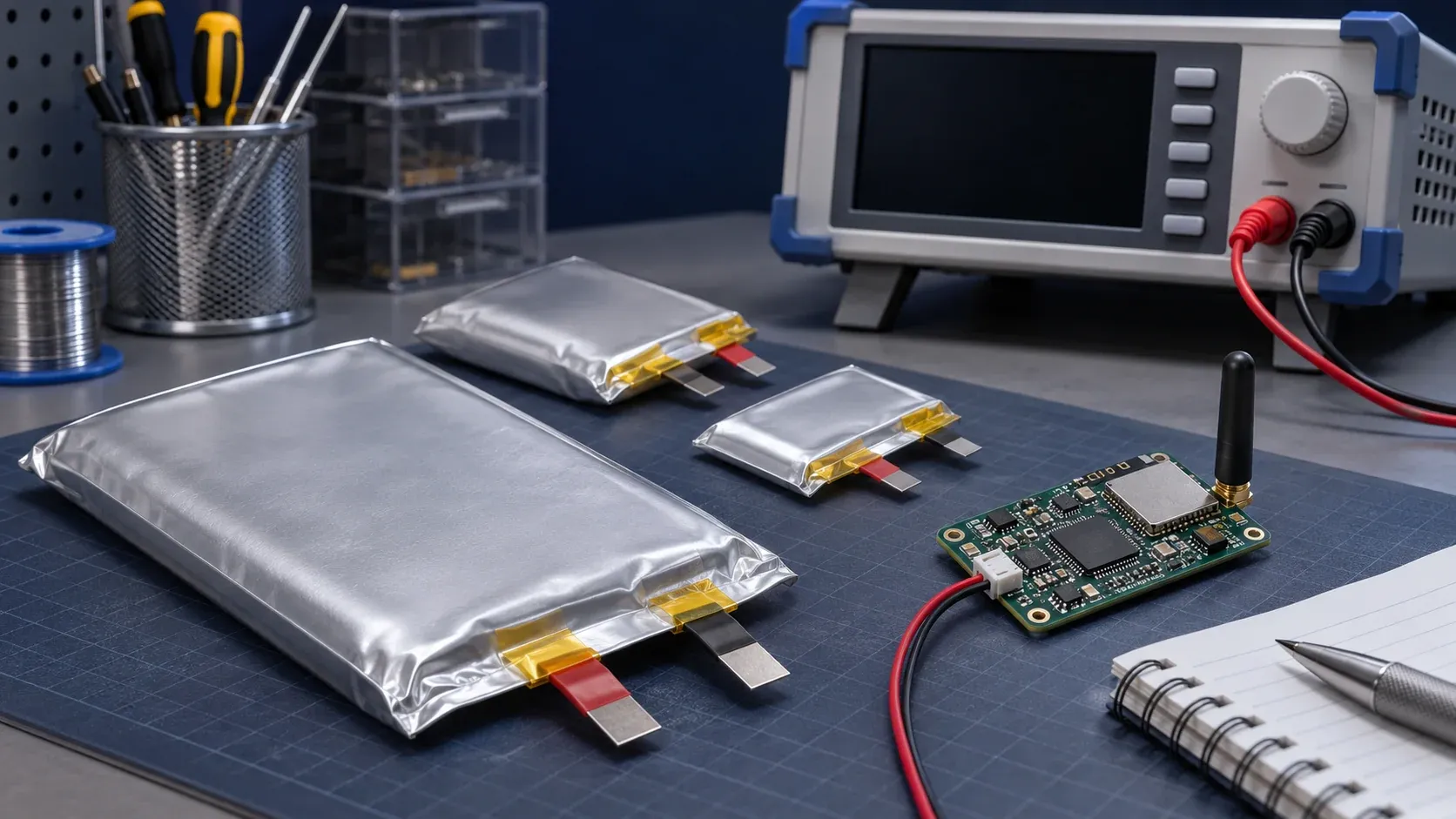
Convert sleep, idle, active, and transmit mode currents into average watts and required Wh, then check peak current and PCM separately. Map the budget sheet to a quote-ready soft-pack spec and validate with paid samples.
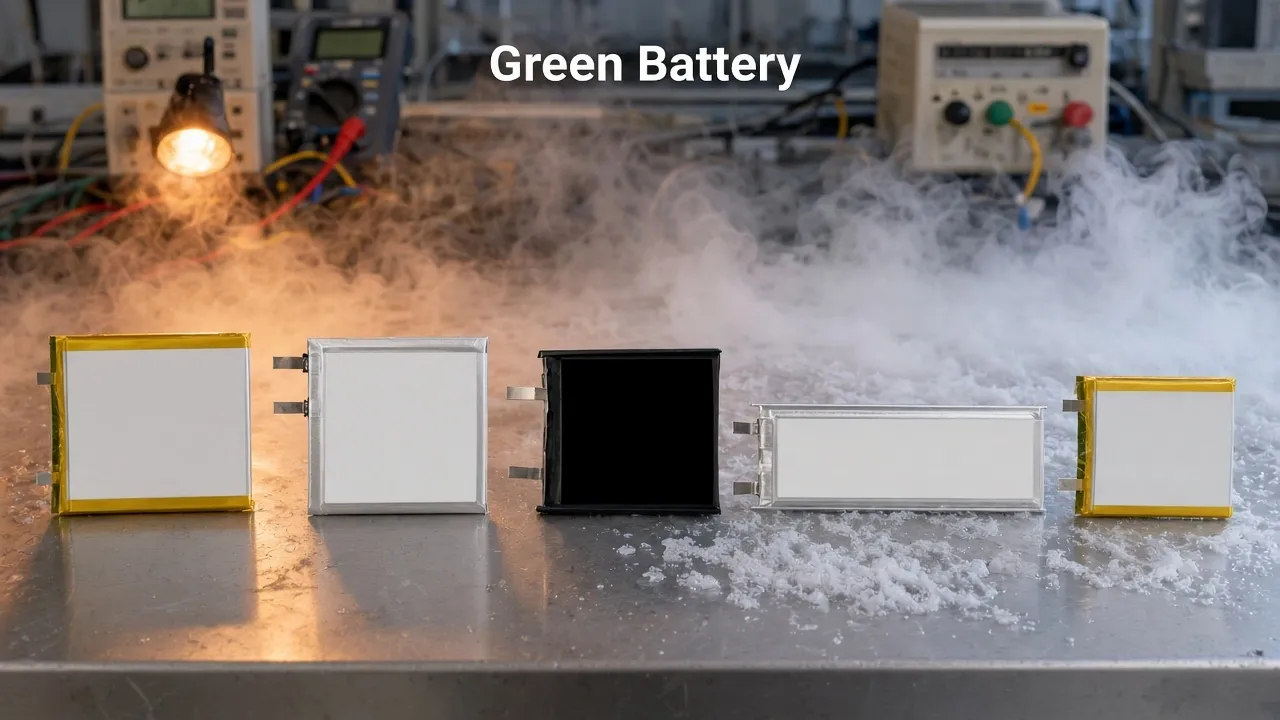
Organized by operating temperature, thickness, energy density and safety requirements, this guide explains the parameters and selection points of seven pouch lithium battery types: high-temperature, low-temperature, ultra-thin, 3.87V high-voltage, LFP/LMO, long-format and silicon-carbon high-capacity.
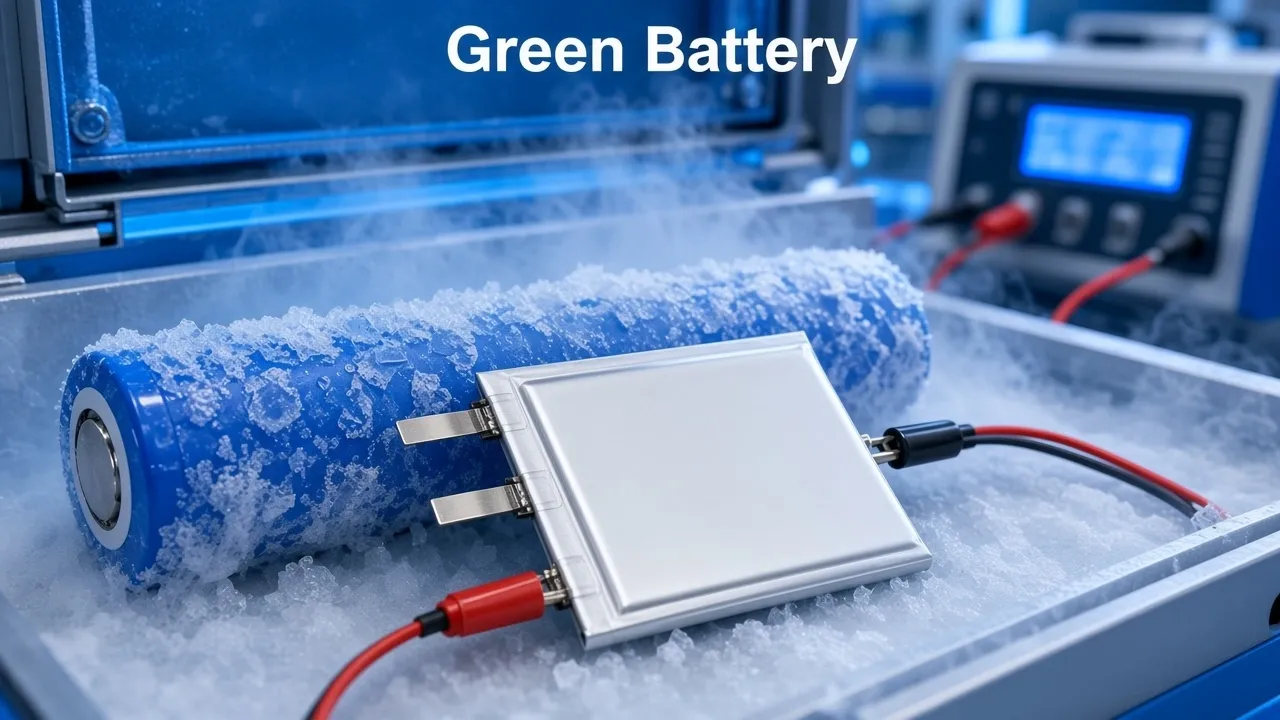
Cold discharge loss and charging-related lithium plating require different answers. Examine electrolyte, interfaces and electrodes, then verify changes with a documented −20°C study and cell-level tests.
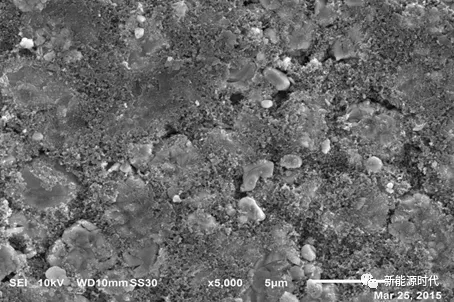
Review a third-party case involving two approximately 5.2 Ah pouch cells: recalculate rate-capacity ratios and examine cold, cycling, nail-penetration and SEM/EDS results with their limitations.
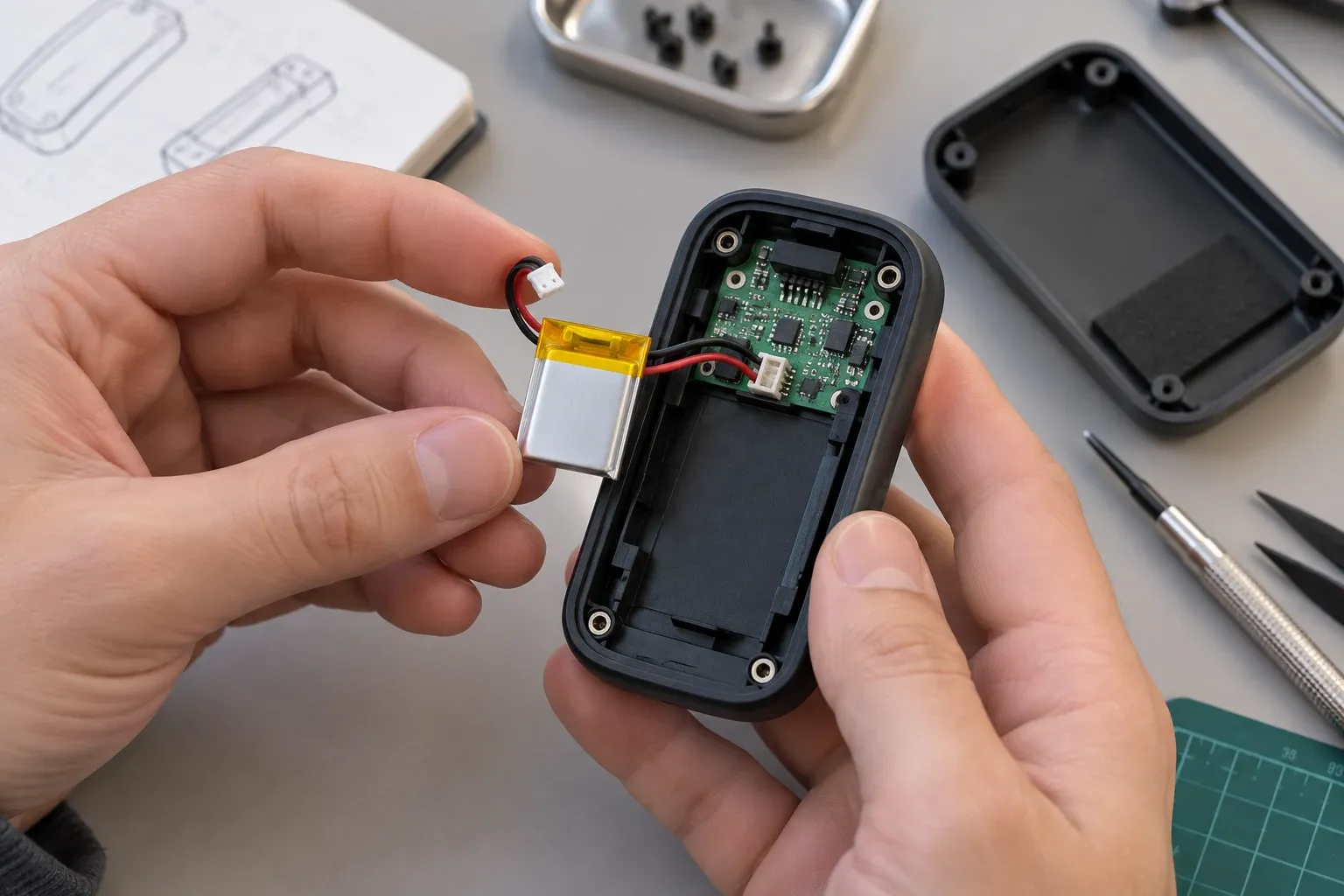
Choose a smart badge battery from the usable bay, runtime target and real load profile. Length, width, seals, tabs, protection space and short current peaks all matter; thickness or mAh alone is not enough.

Build a TWS battery specification around the available space, usable energy, peak voltage sag, charging temperature and left/right consistency, with public manufacturer references and clearly labelled engineering calculations.
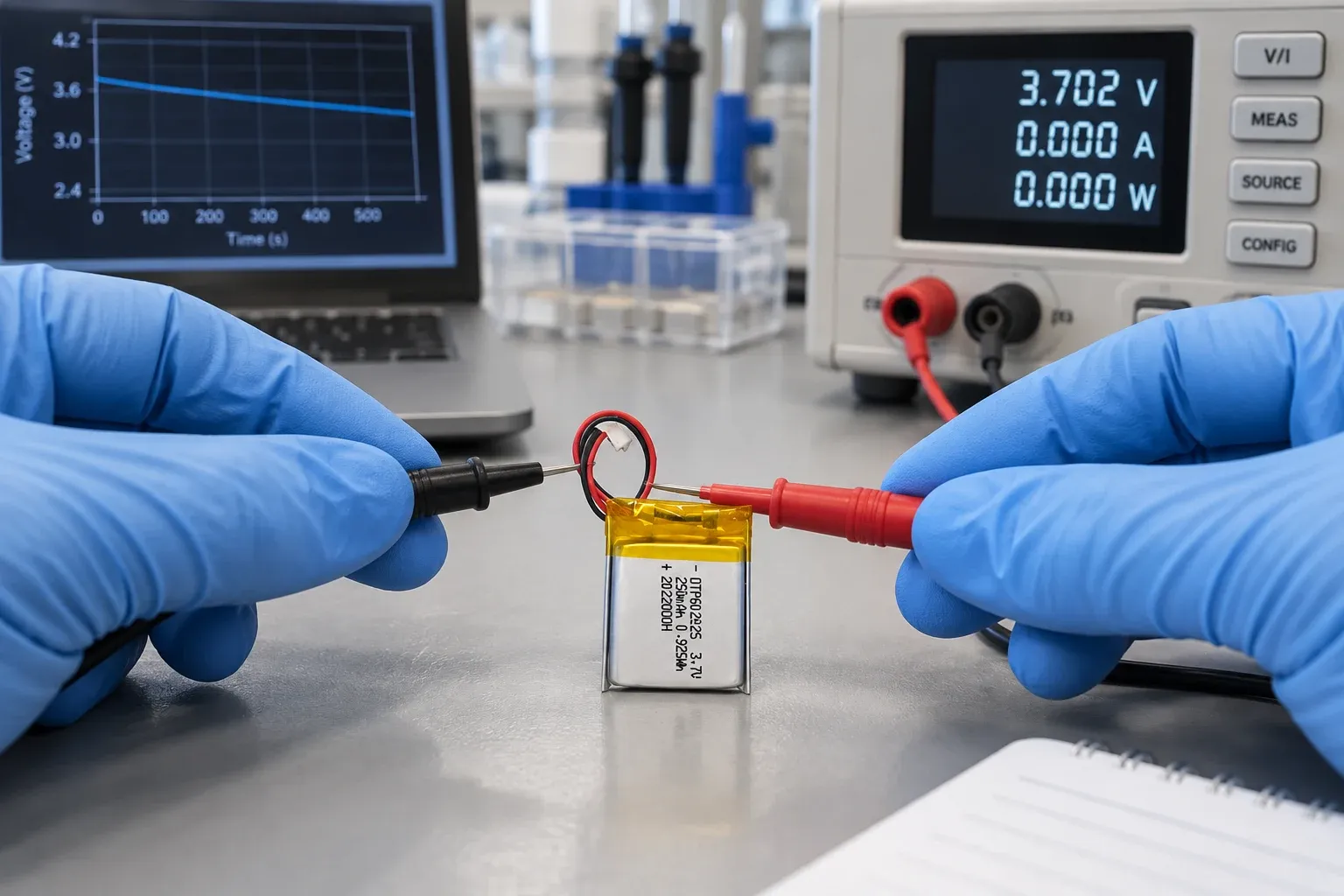
High-rate pouch-cell selection depends on continuous and pulse current, voltage sag, DCIR, temperature rise, capacity, energy and cycle life. This guide separates published cell experiments, manufacturer ratings and calculated values.
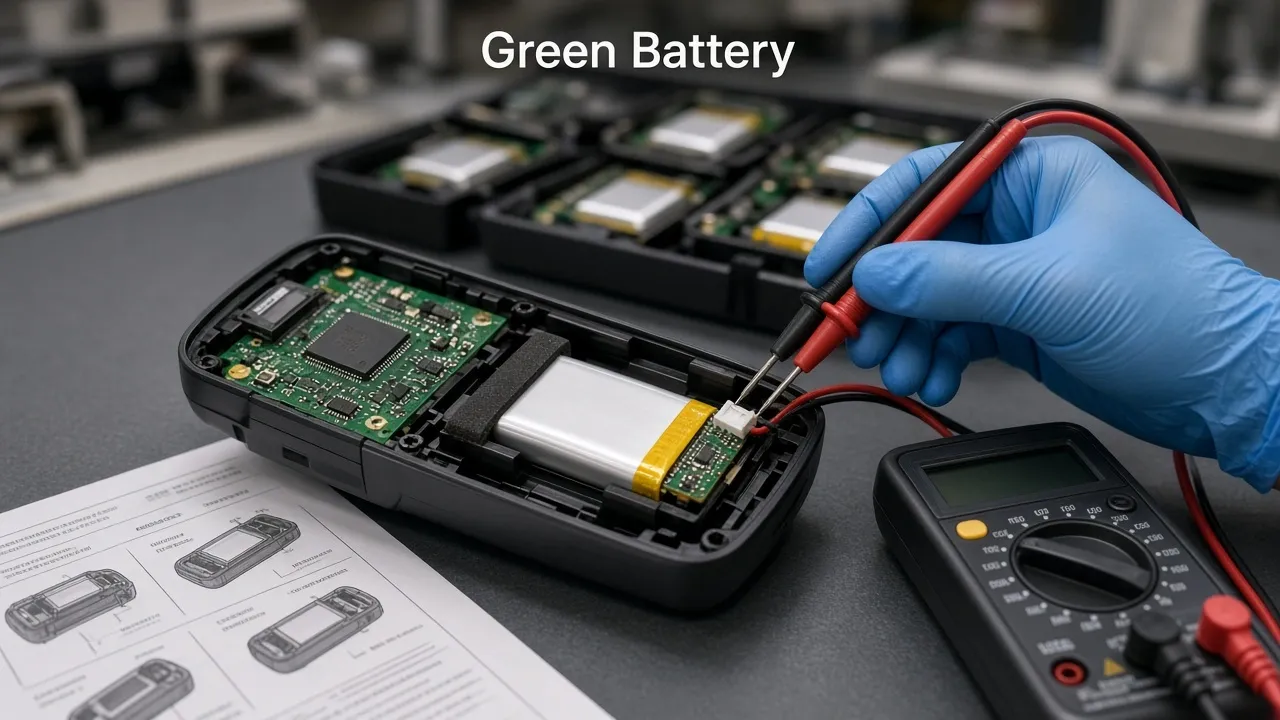
Choose lithium polymer batteries for portable and wearable medical devices using a clear evidence chain: cell safety, pack protection, usable energy, device verification and supplier traceability.
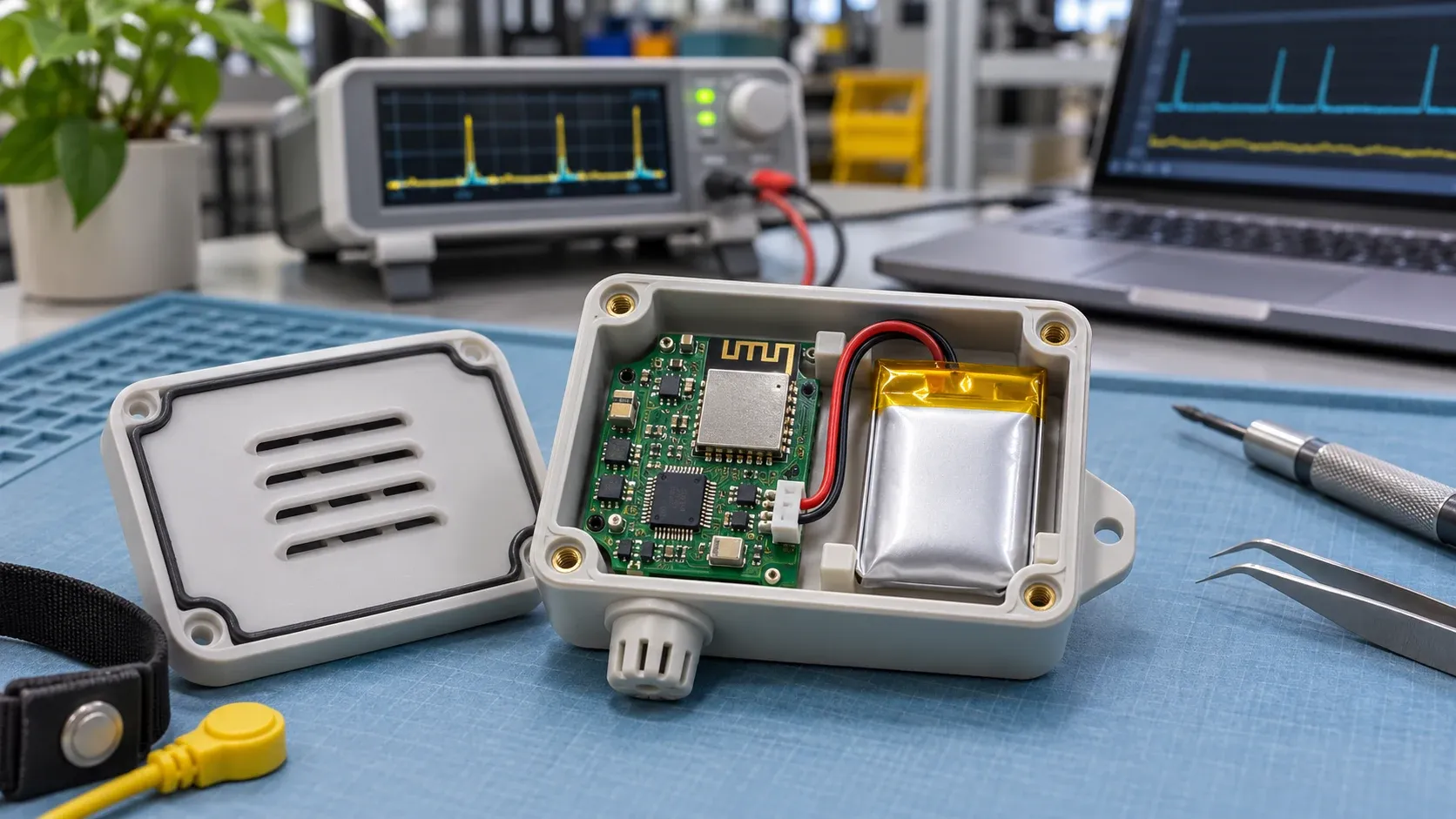
Estimate IoT sensor battery life from the full load profile—not nominal capacity alone. Include radio pulses, circuit quiescent current, self-discharge, temperature, aging and any energy-harvesting input.
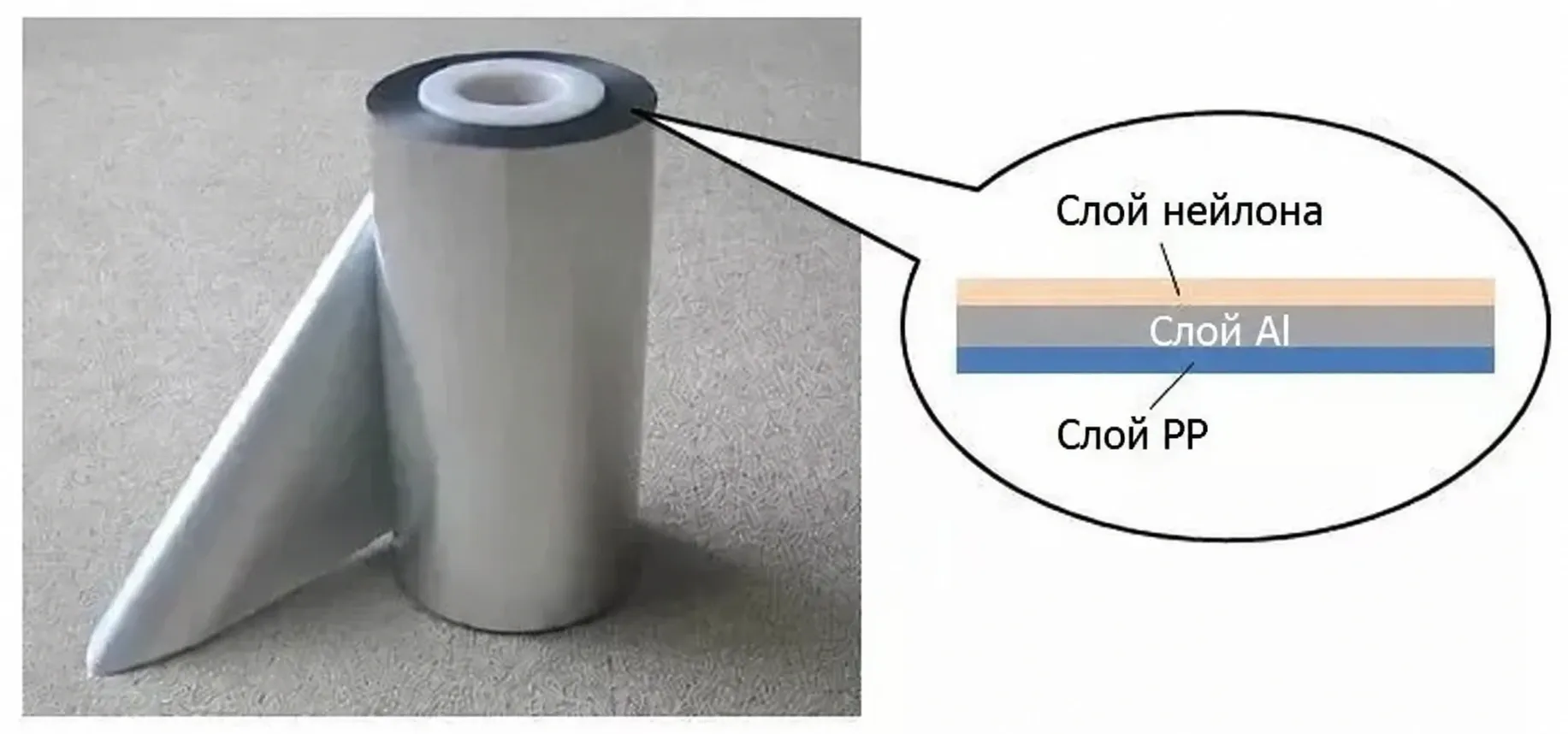
An overview of pouch-cell structure, aluminum-plastic film forming, sealing, electrolyte filling, formation, degassing, and film-cutting design.
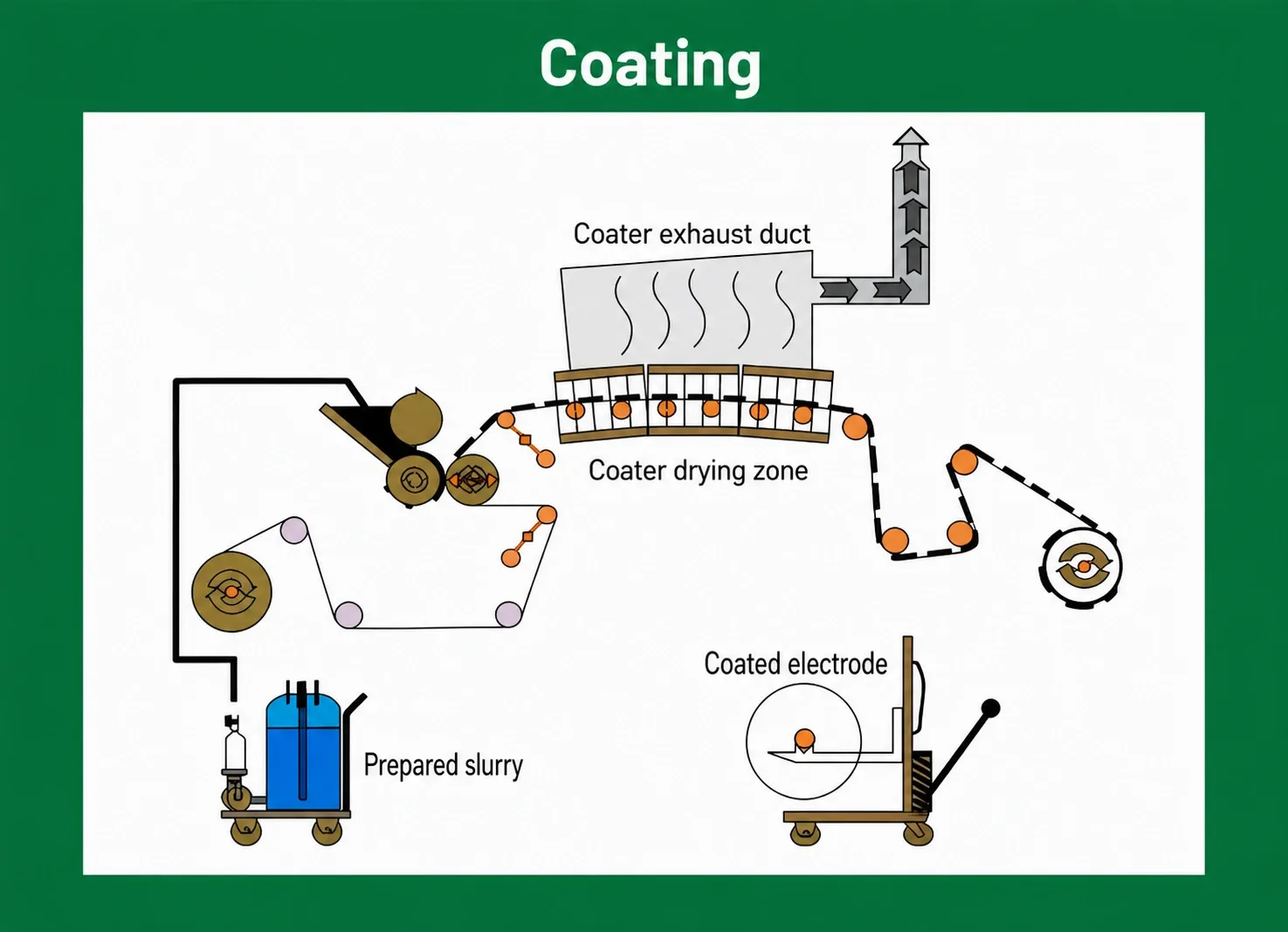
A clear overview of lithium battery manufacturing, from material preparation and electrode production to cell assembly, formation, testing, and packaging.

A structured review of typical defects across electrode preparation, cell assembly, packaging and formation, including causes, performance impacts and practical process-control methods.
Learn how lithium-ion polymer pouch cells are made, from slurry mixing and electrode coating to formation, testing, and final packaging.
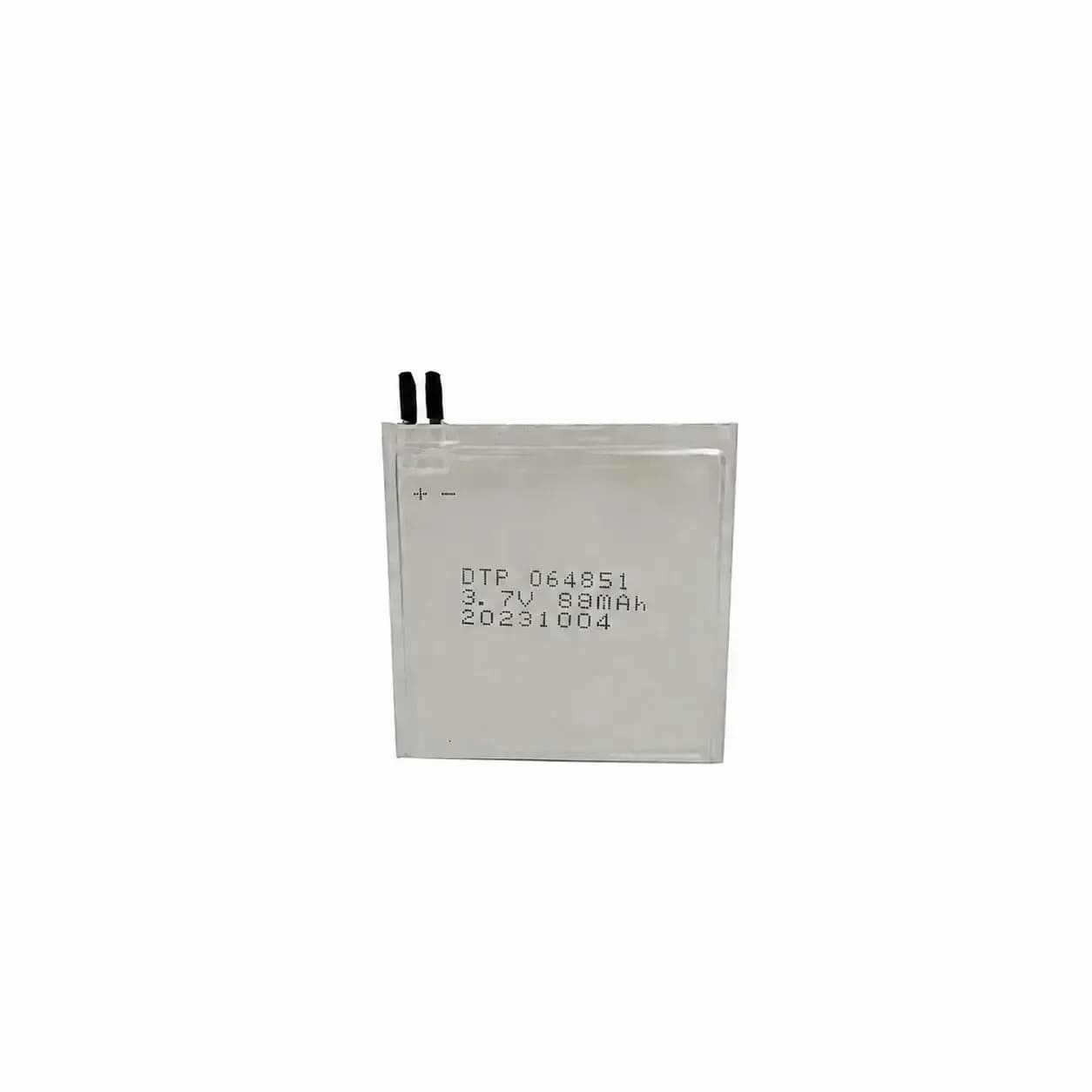
Ultra-thin lithium batteries enable compact products, but capacity, peak power, durability, cost and thermal management all pose important limitations.

Ultra-thin polymer batteries trade capacity and power capability for compact form factor. Learn the key limits and selection criteria for electric massage wand designs.
